
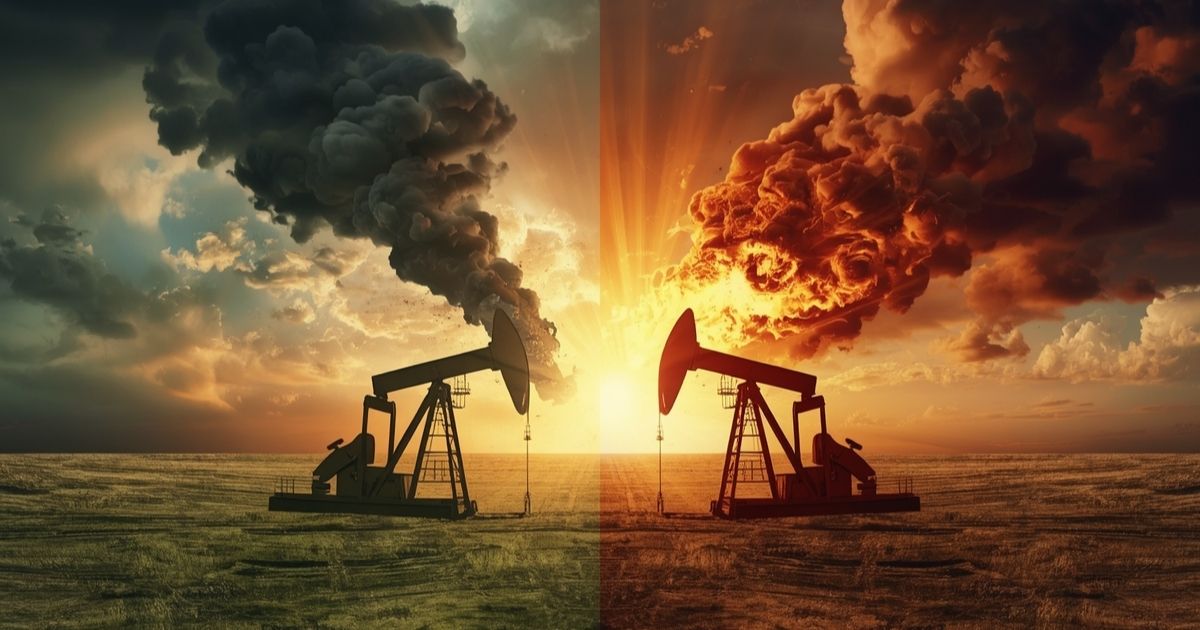
How Geopolitical Tensions Could Shake the Energy Market in 2026
Introduction
Geopolitical tensions between the United States and Iran have long been a major factor influencing global energy markets. Any escalation toward military conflict can have immediate and significant consequences for oil prices, fuel costs, and the global economy.
In 2026, with energy demand rising and supply chains still recovering from past disruptions, even the possibility of conflict in the Middle East is enough to create volatility in oil markets. This article explores how such a scenario could affect global oil prices, fuel costs, and everyday life.
🌍 Why the US–Iran Relationship Matters for Oil Markets
Iran is one of the world’s largest oil producers and holds massive reserves. More importantly, it is located near the Strait of Hormuz, one of the most critical oil transit routes globally.
📌 Key Facts:
Around 20% of the world’s oil supply passes through the Strait of Hormuz
Any disruption can affect global supply instantly
Oil markets react not only to actual war—but even to threats of escalation
Because of this, tensions between the US and Iran are closely watched by traders, governments, and investors worldwide.
🔥 Immediate Impact of Conflict on Oil Prices
If a military conflict were to occur, oil prices would likely rise sharply.
📈 Why Prices Increase:
Fear of supply disruption
Reduced oil exports from Iran
Higher transportation and insurance costs
Panic buying by countries and corporations
Historically, even minor escalations in the region have caused oil prices to spike within hours.
💡 Example Scenario:
Oil prices could jump 10%–30% in a short period
Markets may become highly volatile
Investors move toward safe assets like gold
⛽ Rising Fuel Prices Around the World
As crude oil prices rise, fuel prices follow quickly.
🚗 Effects on Consumers:
Higher gasoline (petrol) prices
Increased diesel costs
More expensive transportation
🚚 Effects on Businesses:
Higher logistics and shipping costs
Increased production expenses
Rising prices of goods and services
In many countries, this directly leads to inflation.
📉 Economic Consequences of Rising Oil Prices
💸 1. Inflation Surge
Fuel is a core input for nearly all industries. When fuel prices rise:
Food prices increase
Transportation becomes more expensive
Cost of living rises globally
🏭 2. Slower Economic Growth
Businesses face higher costs, reducing profit margins and investment.
💼 3. Pressure on Developing Countries
Countries that rely heavily on oil imports are hit the hardest, facing:
Currency depreciation
Budget deficits
Increased debt
⚠️ Global Supply Chain Disruptions
War in the Middle East can also disrupt shipping routes.
🚢 Key Risks:
Closure or restriction of the Strait of Hormuz
Increased shipping insurance costs
Delays in oil and goods delivery
This leads to a chain reaction affecting:
👉 Manufacturing
👉 Retail
👉 International trade
🛡️ How Governments Respond
Governments may take several actions to stabilize markets:
🏦 Strategic Oil Reserves
Countries release oil from reserves to control prices.
📊 Subsidies and Price Controls
Some governments reduce taxes or subsidize fuel.
🌱 Shift Toward Renewable Energy
Long-term crises accelerate investment in alternative energy sources.
🧠 Market Psychology and Speculation
Oil markets are highly sensitive to expectations, not just reality.
Even rumors of conflict can:
Trigger speculative buying
Increase volatility
Cause rapid price swings
This makes geopolitical news one of the biggest drivers of oil price movements.
🌱 Long-Term Impact on Energy Markets
A prolonged conflict could reshape the global energy landscape:
🔹 Increased focus on:
Renewable energy (solar, wind)
Energy independence
Diversification of supply sources
🔹 Reduced reliance on Middle East oil
This shift could define the next decade of global energy policy.
🧾 Conclusion
The relationship between the United States and Iran is more than a political issue—it is a critical factor in global economic stability. Any escalation toward conflict has the potential to drive oil prices higher, increase fuel costs worldwide, and create widespread economic challenges.
For businesses, investors, and everyday consumers, understanding these dynamics is essential in navigating an increasingly uncertain global economy.
