
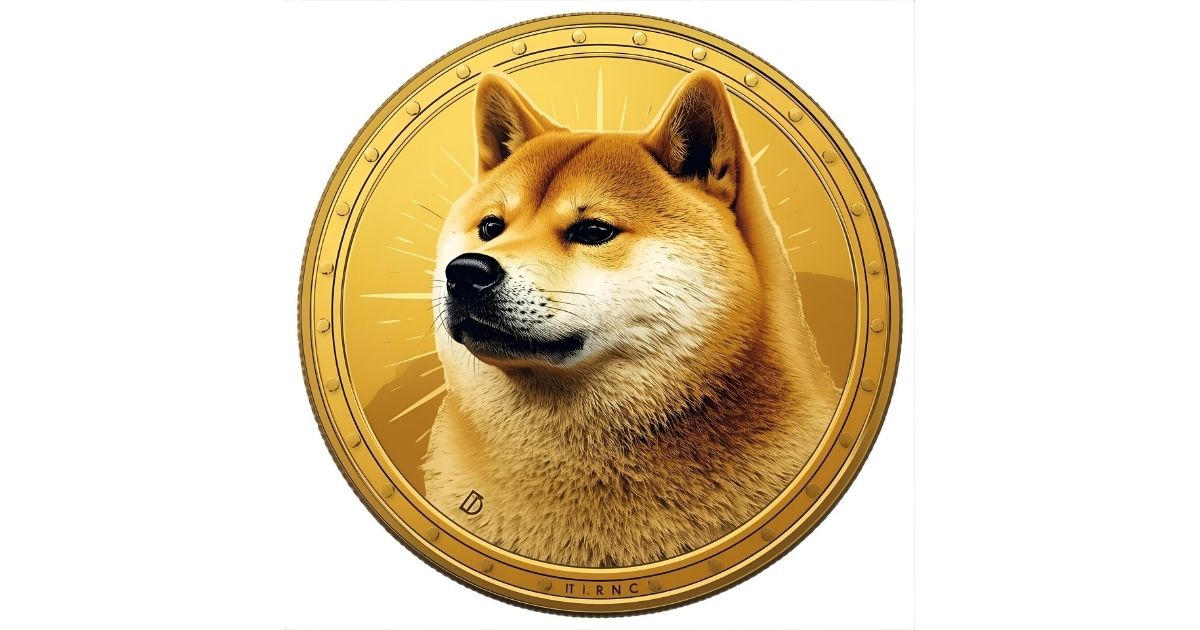
Dogecoin is one of the most fascinating stories in the history of cryptocurrency. What started as a joke inspired by an internet meme has evolved into a global digital asset with millions of supporters, real-world use cases, and a market value once exceeding tens of billions of dollars.
But how was Dogecoin created? Who built it, and why did a “fun coin” survive while thousands of serious crypto projects failed?
This article explores the complete journey of Dogecoin, from its creation to its cultural and financial impact today.
Who Created Dogecoin?
Dogecoin was created in December 2013 by Billy Markus, a software engineer from the United States, and Jackson Palmer, a marketing professional from Australia.
Their Motivation
At the time, the crypto market was flooded with new coins promising revolutionary technology. Markus and Palmer wanted to:
Mock the excessive hype around cryptocurrencies
Create a fun, friendly digital currency
Make crypto accessible to everyday people
Jackson Palmer famously tweeted a joke about “Dogecoin” being the next big thing—combining Bitcoin with the popular Doge meme (a Shiba Inu dog). That joke quickly turned into a real project.
How Dogecoin Was Built
Dogecoin is technically based on Litecoin, which itself is a fork of Bitcoin.
Key Technical Features:
Blockchain: Proof-of-Work (PoW)
Algorithm: Scrypt
Block Time: 1 minute (faster than Bitcoin)
Supply: Unlimited (no maximum cap)
The unlimited supply was intentional. The creators wanted Dogecoin to be used as digital cash, not a scarce asset like Bitcoin.
The Doge Meme and Community Power
What truly separated Dogecoin from other cryptocurrencies was its community.
Early Dogecoin users embraced:
Tipping content creators online
Donating to charities
Sponsoring sports teams and events
Famous Community Moments:
Funding the Jamaican bobsled team for the Olympics
Building clean water wells in Africa
Sponsoring NASCAR drivers
Dogecoin became known as “the people’s crypto”—friendly, generous, and fun.
Dogecoin’s Price History: From Fractions to Fame
For years, Dogecoin traded at fractions of a cent. Many people dismissed it as a meme with no future.
Everything changed in 2020–2021.
The Elon Musk Effect
Tesla CEO Elon Musk began tweeting about Dogecoin, calling it:
“The people’s crypto”
“Potential future currency of Earth”
These tweets triggered massive attention, pushing Dogecoin to an all-time high of around $0.73 in 2021.
At its peak, Dogecoin entered the top 10 cryptocurrencies by market cap.
Why Dogecoin Still Exists Today
Despite criticism, Dogecoin has survived for over a decade—an eternity in crypto.
Reasons for Its Longevity:
Strong, loyal community
Simple and fast transactions
Low fees
High brand recognition
Integration with payment platforms
Some companies now accept Dogecoin for payments, and it remains one of the most recognized cryptocurrencies globally.
Criticism and Limitations
Dogecoin is not without flaws.
Common Criticisms:
Unlimited supply causes inflation
Fewer developers compared to major blockchains
Limited smart contract functionality
However, supporters argue that Dogecoin’s simplicity is its strength.
The Future of Dogecoin
Dogecoin’s future depends less on technology and more on culture, adoption, and community.
Possible future paths:
Payment currency for microtransactions
Integration with social platforms
Continued support from influential figures
Use as a tipping and donation currency
Dogecoin proves that value is not only created by code—but by people.
Conclusion
Dogecoin is a rare phenomenon. It began as a joke, challenged the seriousness of the crypto industry, and still managed to become one of the most successful digital currencies in history.
Its story shows that in the digital age, community, narrative, and culture can be just as powerful as technology.
Whether Dogecoin becomes a global payment system or remains a symbol of internet culture, one thing is certain:
Dogecoin has already secured its place in crypto history.
