
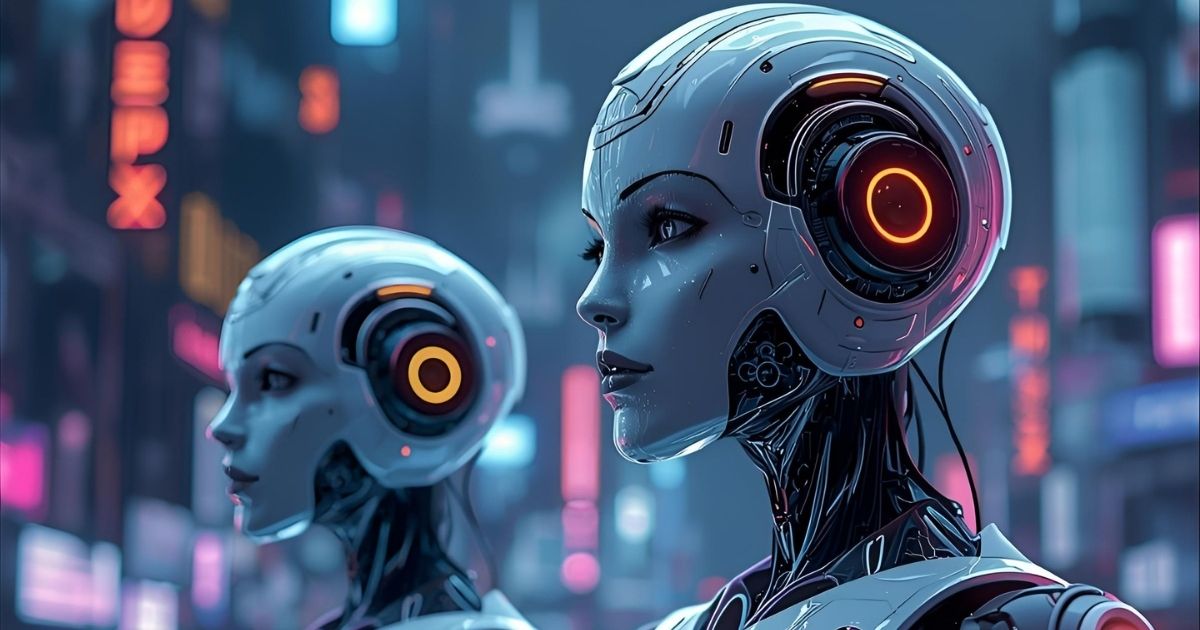
Artificial intelligence (AI) has moved beyond research labs and is now transforming nearly every aspect of daily life. From personalized healthcare to autonomous vehicles, AI-driven technologies are shaping how we work, live, and interact. In 2025, AI is not just a tool—it is an integral part of global infrastructure.
Healthcare systems are using AI for early disease detection, allowing faster treatment and improved survival rates. In transportation, autonomous cars and drones are making logistics more efficient. At the same time, AI-powered assistants have become part of households worldwide, helping people manage schedules, finances, and even mental health.
However, rapid adoption raises concerns about data privacy, job displacement, and algorithmic bias. Experts argue that the key to sustainable AI growth lies in balancing innovation with ethical standards. The coming years will define whether AI becomes humanity’s greatest ally or its most complex challenge.





Comments are closed.